What lutein and zeaxanthin are
Lutein and zeaxanthin are carotenoids, the same family of plant pigments that gives carrots, corn and peppers their color. Unlike beta-carotene, your body does not turn them into vitamin A. They have earned attention in eye nutrition because they gather in the macula, the small central area of the retina responsible for sharp, detailed vision. There they form what researchers call macular pigment.
The National Eye Institute notes that lutein and zeaxanthin are found in the retina and lens, where they may act as natural antioxidants and help absorb high-energy blue and ultraviolet light. Your body cannot make them, so they have to come from food or supplements.
Where they come from in food
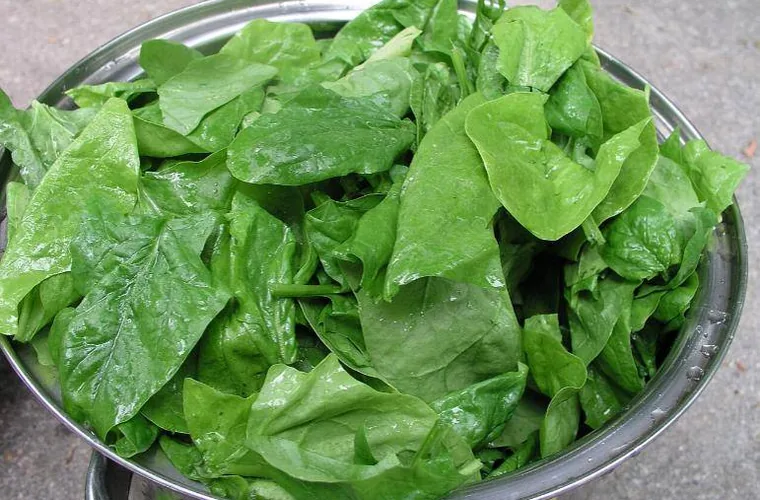
Dark leafy greens are the classic source. Kale, spinach, collard and turnip greens lead most lists. Other everyday sources include:
- Sweet corn, notable for zeaxanthin
- Egg yolks, a small amount that is well absorbed thanks to the fat
- Orange and yellow peppers, peas, broccoli and romaine lettuce
Because carotenoids are fat-soluble, eating them with a little healthy fat, such as olive oil on a salad, can help absorption.

What the AREDS2 trial found
The most important research comes from the Age-Related Eye Disease Studies, AREDS and AREDS2, run by the National Eye Institute. AREDS2 tested whether adding 10 mg of lutein and 2 mg of zeaxanthin to a high-dose antioxidant and zinc formula would help people who already had intermediate age-related macular degeneration (AMD), or advanced AMD in one eye.
- In the main analysis, adding lutein and zeaxanthin did not further reduce progression to advanced AMD overall.
- Participants who got the least lutein and zeaxanthin from their diet appeared to benefit the most.
- Replacing beta-carotene with lutein and zeaxanthin worked at least as well and avoided the higher lung cancer risk seen with beta-carotene in former smokers. NEI’s current AREDS2 formula uses lutein and zeaxanthin for that reason.
- A separate AREDS2 report found no overall effect on cataract surgery or vision loss.
Reading a supplement label with this in mind
When you compare eye-health supplements, look at the Supplement Facts panel rather than the front of the bottle. Useful questions:
- Are lutein and zeaxanthin listed with amounts in milligrams?
- Is vitamin A listed, and in what form? Preformed vitamin A has an upper intake limit, which matters during pregnancy.
- Is the serving size clear, for example two capsules a day?
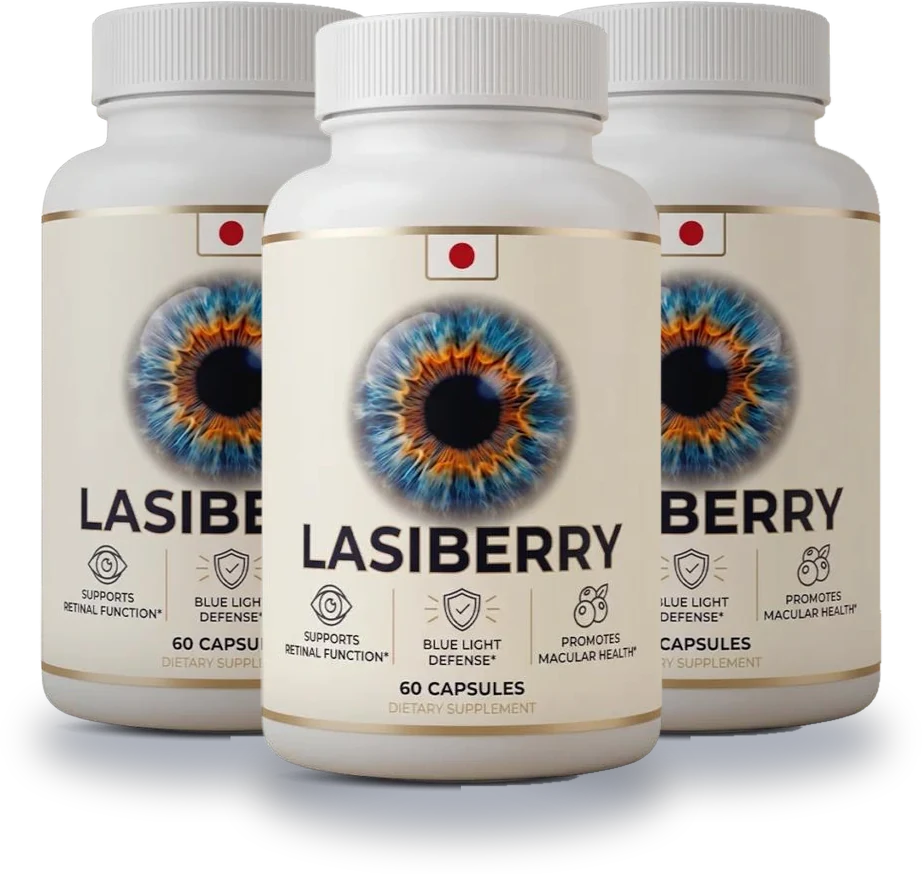
Lasiberry’s product page names lutein, zeaxanthin, bilberry extract, eyebright extract and vitamin A as featured ingredients but does not publish per-serving amounts, so the bottle’s own panel is the place to check. You can learn more in our lutein and zeaxanthin focus area.
The bottom line
Lutein and zeaxanthin are genuinely important eye nutrients, and a colorful diet is the foundation for getting them. Supplements can add to that, but the strongest evidence is specific to people with AMD using a studied formula. If you have an eye condition, ask your eye care professional which supplement, if any, is right for you.
Sources: NEI AREDS/AREDS2 major findings; NEI AREDS/AREDS2 FAQ; AREDS2, JAMA 2013 (PubMed); AREDS2 cataract report (PubMed).
This article is for general education and is not medical advice. These statements have not been evaluated by the Food and Drug Administration. This product is not intended to diagnose, treat, cure, or prevent any disease.