Two capsules, once a day
The product FAQ lists two capsules daily with water. Pair them with a meal or another daily habit so they are easy to remember.
Daily eye-health nutrition
A dietary supplement that brings together five nutrients and botanicals often discussed in eye-health nutrition. Two capsules a day, 60 capsules per bottle, and an easy way to make eye care part of your routine.


Product overview
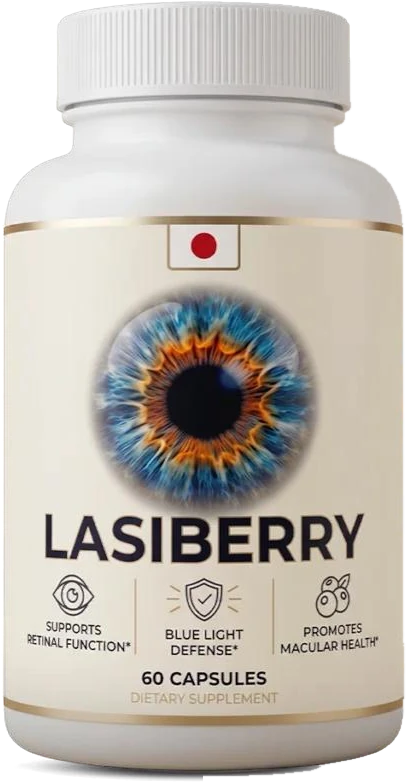
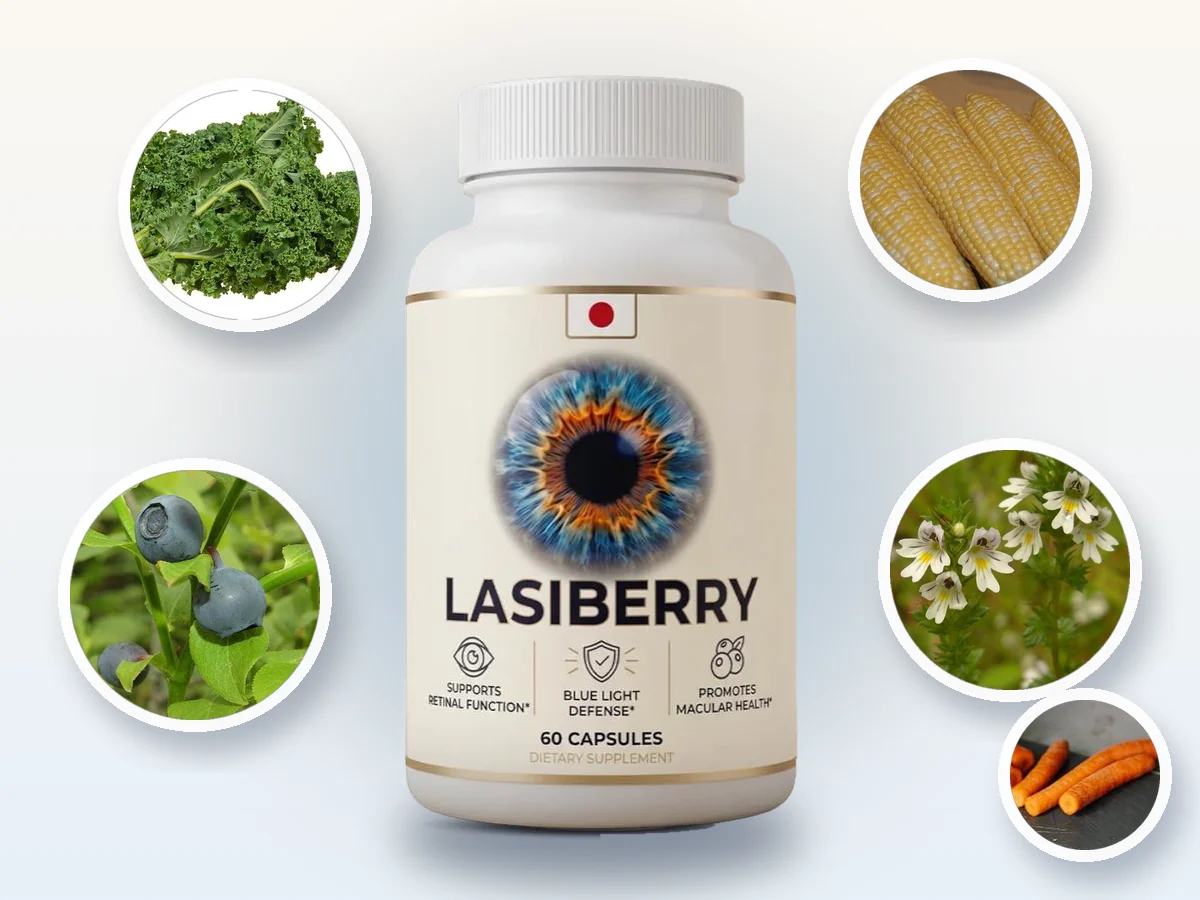
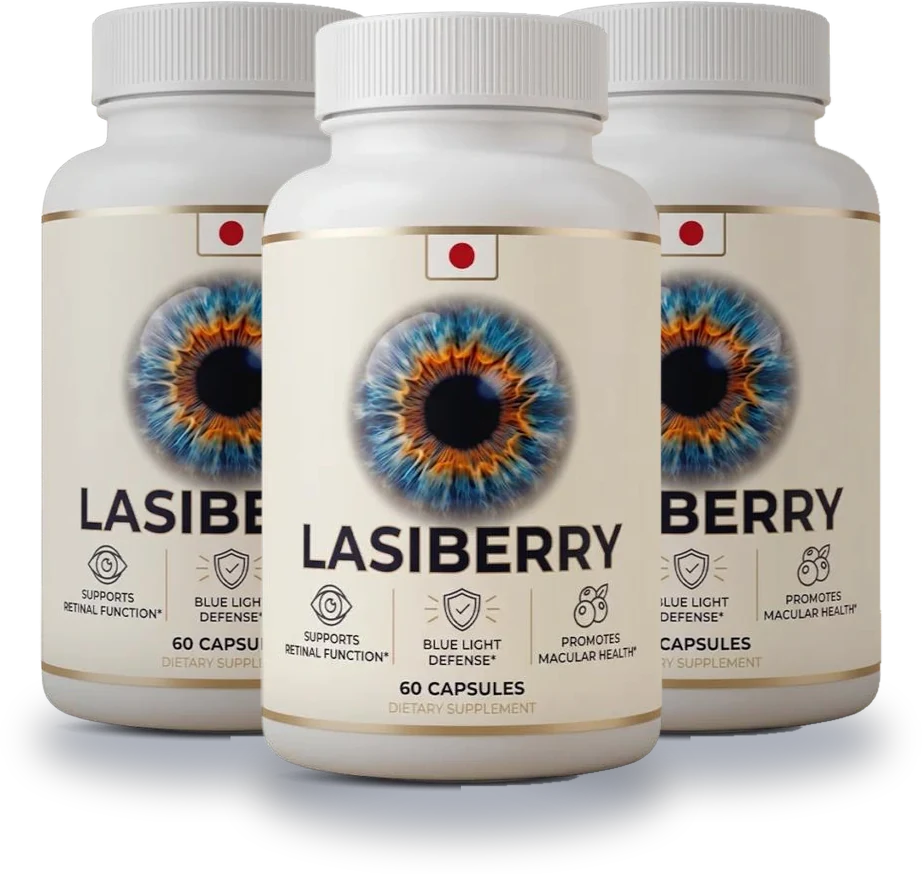
Lasiberry is a capsule dietary supplement designed around eye-health nutrition. Instead of a long list of fillers, the product page highlights five ingredients: the carotenoids lutein and zeaxanthin, bilberry extract, eyebright extract and vitamin A.
It is made for adults who want a steady, simple daily habit alongside the basics: a colorful diet, regular screen breaks and routine eye exams. It is not a substitute for any of those, and it is not intended to treat an eye condition.
How it fits your day
Lasiberry is meant to be easy to stick with. Here is how it fits into a sensible routine.
The product FAQ lists two capsules daily with water. Pair them with a meal or another daily habit so they are easy to remember.
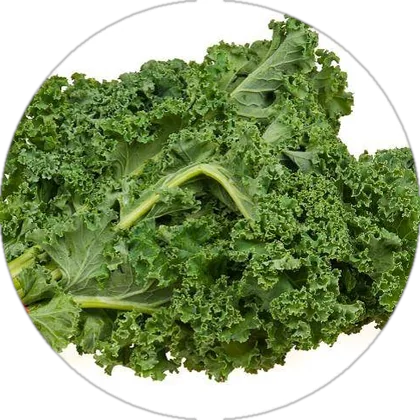
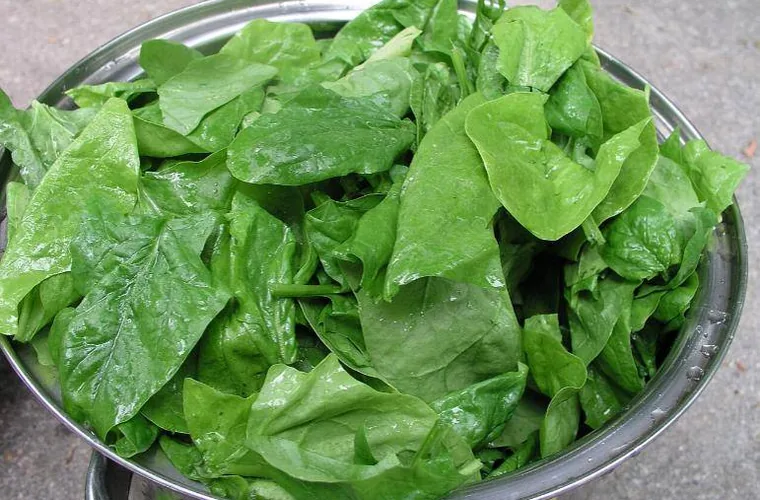
Lutein, zeaxanthin and provitamin A carotenoids are found in leafy greens, corn and orange vegetables. A supplement adds to a varied diet; it doesn’t replace one.
Nutrition works over weeks and months, not days. A 30-day bottle makes it easy to keep a steady routine and review it with your clinician.
Screen breaks, outdoor time, sunglasses and comprehensive dilated eye exams matter most. A supplement is one small piece.
Main focus areas
Each focus area links to a short guide that explains the nutrition science in plain language, including its limits.
The two carotenoids concentrated in the macula, and the most researched nutrients in eye-health nutrition.
ExploreAn essential nutrient required for normal vision, especially seeing in low light.
ExploreTwo traditional botanicals in the blend. What history says, and what the research does not show.
ExploreThe everyday habits that matter for comfortable eyes, with or without a supplement.
ExploreProduct details
Everything below comes from the product label image and the product page. Where a detail is not published, we say so rather than guess.
| Product name | LASIBERRY |
|---|---|
| Product type | Dietary supplement (eye-health nutrition) |
| Format | Capsules, 60 per bottle |
| Directions | 2 capsules daily with water (per product FAQ) |
| Supply per bottle | 30 days |
| Featured ingredients | Lutein, zeaxanthin, bilberry extract, eyebright extract, vitamin A |
| Amounts per serving | Not shown on the product page. Check the Supplement Facts panel on your bottle. |
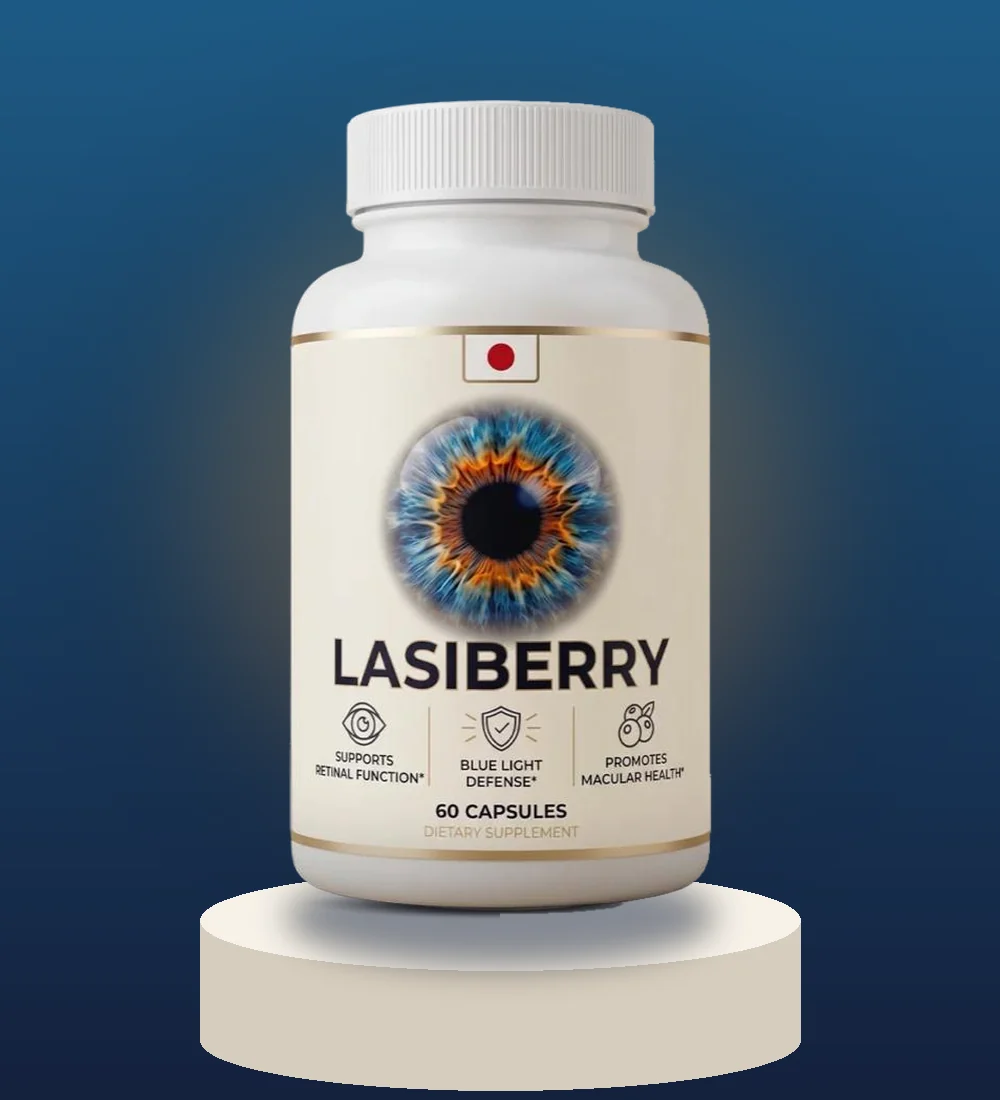
| Label statements | “Supports retinal function*”, “Blue light defense*”, “Promotes macular health*” (manufacturer statements) |
Why people choose it
Honest, ingredient-level reasons, written to inform rather than overpromise.
Lutein and zeaxanthin are the yellow pigments concentrated in the central retina. Getting enough of them is a common focus in eye-health nutrition.
Vitamin A is an essential nutrient for normal vision, including vision in low light. The product page does not list the exact amount.
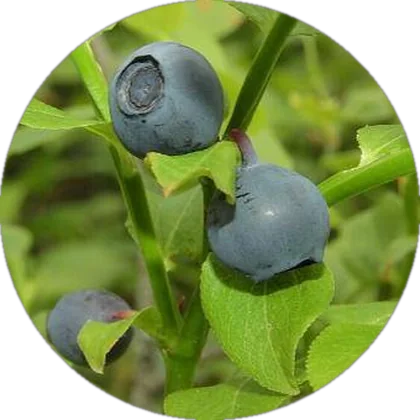
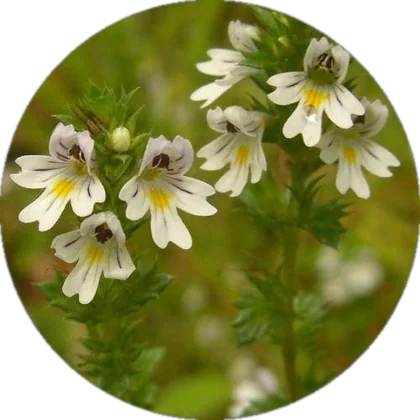
Bilberry and eyebright have long histories in European herbal tradition. Their place here is traditional; product-specific benefits are not established.
One simple serving a day, a 30-day bottle, and bundle sizes for 60 to 180 days make consistency easy.
Built to sit alongside leafy greens, corn, berries and orange vegetables, not replace them.
One-time payment described in the product FAQ, with a 60-day money-back guarantee listed on the product page.
How to use
Pick a 2-, 3- or 6-bottle package. Larger packages lower the price per bottle and the product page lists free U.S. shipping for them.
The product FAQ lists two capsules a day with water. Follow the label on your bottle and do not exceed it.
Make it part of a fixed daily moment, keep up with eye exams, and review any supplement with your clinician.
Supporting daily habits
No supplement replaces the habits eye-care professionals recommend. These are the ones that matter most:


Customer reviews
Testimonials influence decisions, so we only publish ones we can verify. Here is where things stand.
We looked on the product page and in public search results for Lasiberry customer reviews we could verify.
We did not find verifiable Lasiberry customer reviews or an independent rating, so we don’t show any. You won’t see invented names, stars or quotes here.
Read the Supplement Facts panel on the bottle, confirm the guarantee terms at checkout, and ask your pharmacist about interactions.
Product snapshot
Not a score. These are simple yes/no facts you can confirm from the label and product page.
| Ingredients named on the product page | Yes: five featured ingredients |
|---|---|
| Amounts per serving published online | No. Check the Supplement Facts panel on the bottle |
| Clear daily directions | Yes: 2 capsules daily with water |
| Money-back guarantee | 60 days, as listed on the product page |
| Subscription required | No. One-time payment per product FAQ |
| Clinical trial of this exact product | None identified |
Choose your package
Three package sizes are listed. Larger packages have the lowest price per bottle.
60-day supply
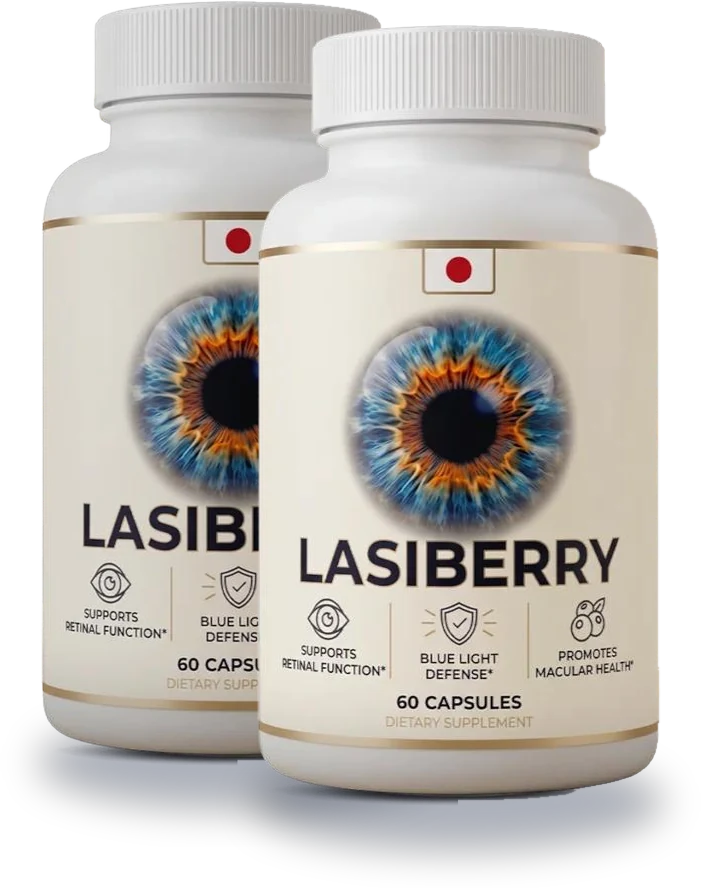
per bottle · $158 total
180-day supply
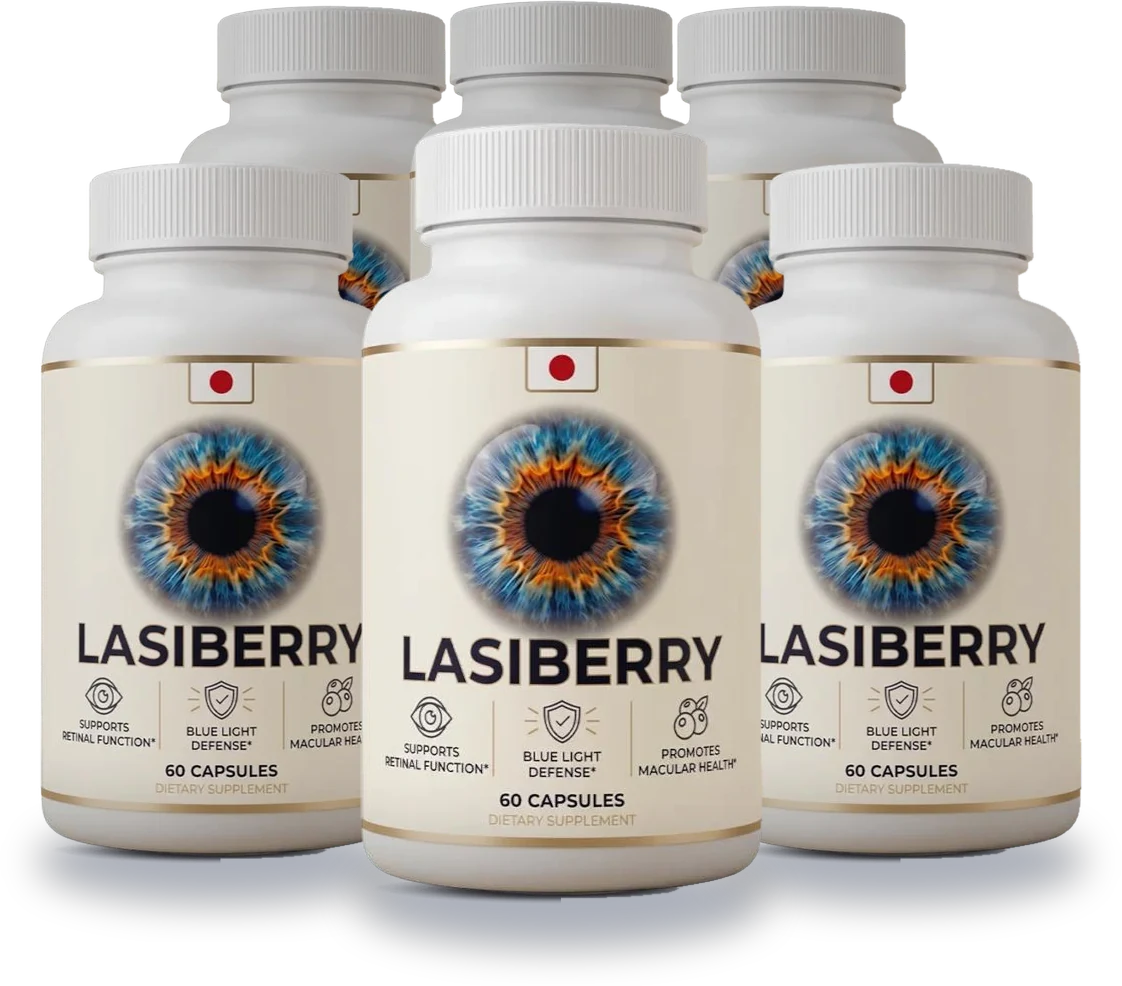
per bottle · $294 total
90-day supply
per bottle · $207 total
Order buttons lead to the seller’s checkout through affiliate links. See our disclosure.
Peace of mind
The product page describes a 60-day money-back guarantee, handled by contacting customer support. It also refers to using the product for at least 30 days. Return conditions are set by the seller, so review them on the checkout page before you order.
See PackagesFrom the blog
The two carotenoids behind the macula's yellow color, what AREDS2 found, and how to read eye-supplement labels with that in mind.
Read article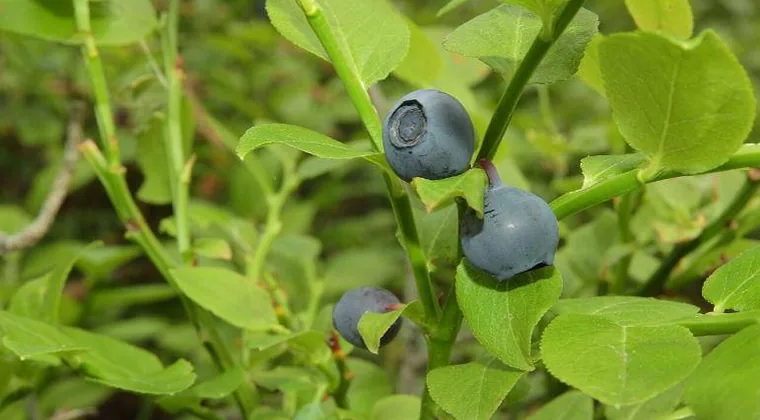
A famous wartime story made bilberry an eye-health icon. Here is what government research summaries actually say.
Read articlePractical, no-cost habits for long screen days, and why no capsule can replace them.
Read articleLook a little deeper
Explore government health resources and published research related to the ingredients and topics discussed on this website.
National Eye Institute (NEI), NIH
NEI’s summary of two large clinical trials. The AREDS2 formula replaced beta-carotene with 10 mg lutein and 2 mg zeaxanthin. NEI reports the formulas slowed progression from intermediate to advanced AMD by about 25%, did not prevent AMD onset and had no effect on cataract. These trials did not test Lasiberry.
View Official Research ↗National Eye Institute (NEI), NIH
Explains what lutein, zeaxanthin and beta-carotene are, notes that people with low dietary intake of lutein and zeaxanthin appeared to benefit most in AREDS2, and advises asking an eye care professional which supplement, if any, is right for you.
View Official Research ↗National Institutes of Health (NIH)
NIH news release on 10-year AREDS2 follow-up data (2022). It reports that the lutein/zeaxanthin formula was safer than the beta-carotene version for people who had smoked. Findings apply to people with AMD taking the studied formula.
View Official Research ↗Office of Dietary Supplements (ODS), NIH
Describes vitamin A as important for normal vision, lists food sources such as carrots, spinach and sweet potatoes, and sets upper intake limits for preformed vitamin A. It warns against high-dose preformed vitamin A during pregnancy.
View Official Research ↗Office of Dietary Supplements (ODS), NIH
A detailed technical review. It explains that lutein and zeaxanthin are carotenoids that the body does not convert into vitamin A, and covers vitamin A forms, intake recommendations, safety and interactions.
View Official Research ↗National Center for Complementary and Integrative Health (NCCIH), NIH
NCCIH’s evidence summary. It states that bilberry has not been clearly shown to help any health condition, and covers what is known about safety and possible side effects.
View Official Research ↗National Center for Complementary and Integrative Health (NCCIH), NIH
A plain-language overview of what research does and does not support for AMD, glaucoma, cataracts and dry eye. It stresses comprehensive dilated eye exams and following your eye care professional’s treatment plan.
View Official Research ↗National Center for Complementary and Integrative Health (NCCIH), NIH
A clinician-focused review of randomized trials, observational studies and systematic reviews. It separates the stronger AMD evidence from weaker or inconclusive findings for other eye conditions.
View Official Research ↗PubMed, U.S. National Library of Medicine (NIH)
JAMA, 2013. A randomized controlled trial in people at risk of advanced AMD. In the primary analysis, adding lutein and zeaxanthin did not further reduce progression. The study suggested lutein and zeaxanthin as a substitute for beta-carotene.
View Official Research ↗PubMed, U.S. National Library of Medicine (NIH)
JAMA Ophthalmology, 2013. Daily lutein/zeaxanthin supplementation had no statistically significant overall effect on rates of cataract surgery or vision loss. This is a useful reminder of the limits of the evidence.
View Official Research ↗U.S. Food and Drug Administration (FDA)
Explains how dietary supplements are regulated. FDA does not approve supplements for safety and effectiveness before they are sold, and it advises consumers to talk with a health care professional before using one.
View Official Research ↗Centers for Disease Control and Prevention (CDC)
CDC’s everyday guidance for protecting vision: comprehensive eye exams, a diet rich in fruits and vegetables, knowing your family history and other healthy habits.
View Official Research ↗These references are provided for educational purposes only. They do not represent an endorsement or approval of this product by any government agency. Research on individual ingredients does not necessarily establish the effectiveness of the finished product.
A clear next step
Five featured eye-health ingredients, two capsules a day, packages from $49 per bottle, and a 60-day money-back guarantee listed on the product page.
Order buttons lead to the seller’s checkout through affiliate links. See our disclosure.