Focus area

Bilberry & Eyebright

Two traditional botanicals with long histories, and an honest look at what modern research does and doesn't show.

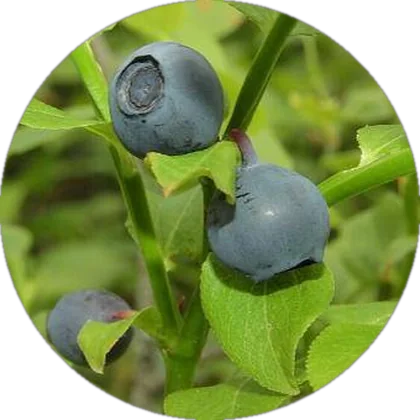
Ripe bilberries on the branch
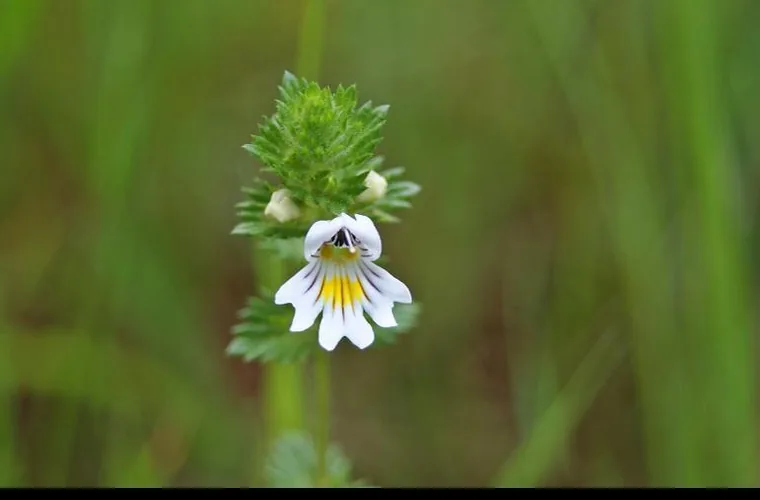
A single white eyebright flower with purple veins and a yellow center

Bilberry

Bilberry (Vaccinium myrtillus) is a small European berry closely related to the blueberry. Its dark color comes from anthocyanins. It became famous through a story about wartime pilots and night vision.
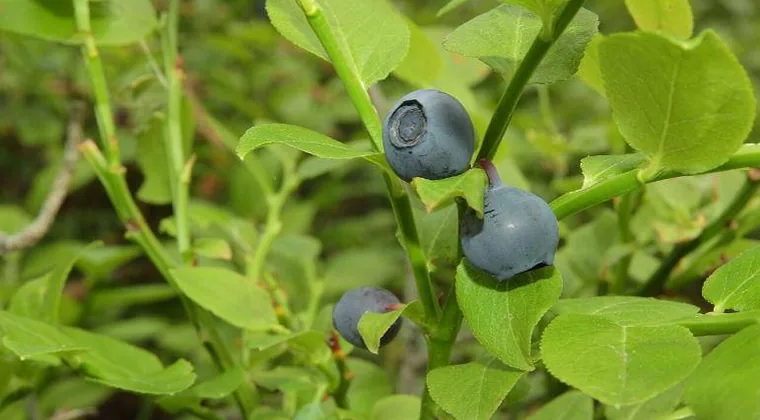
Ripe bilberries growing on a green bush
Bilberries on the branch.

NCCIH summarizes current evidence by saying bilberry has not been clearly shown to be helpful for any health condition. Bilberry fruit is generally considered safe in food amounts. Ask a pharmacist before use if you take blood thinners or diabetes medication.

Eyebright

Eyebright (Euphrasia) is a low-growing meadow herb whose flowers look a little like an eye, one reason it entered European folk tradition as an eye herb. Modern clinical research is very limited, and we did not find a U.S. government fact sheet that establishes a benefit. Never use homemade herbal eye washes; they are not sterile.

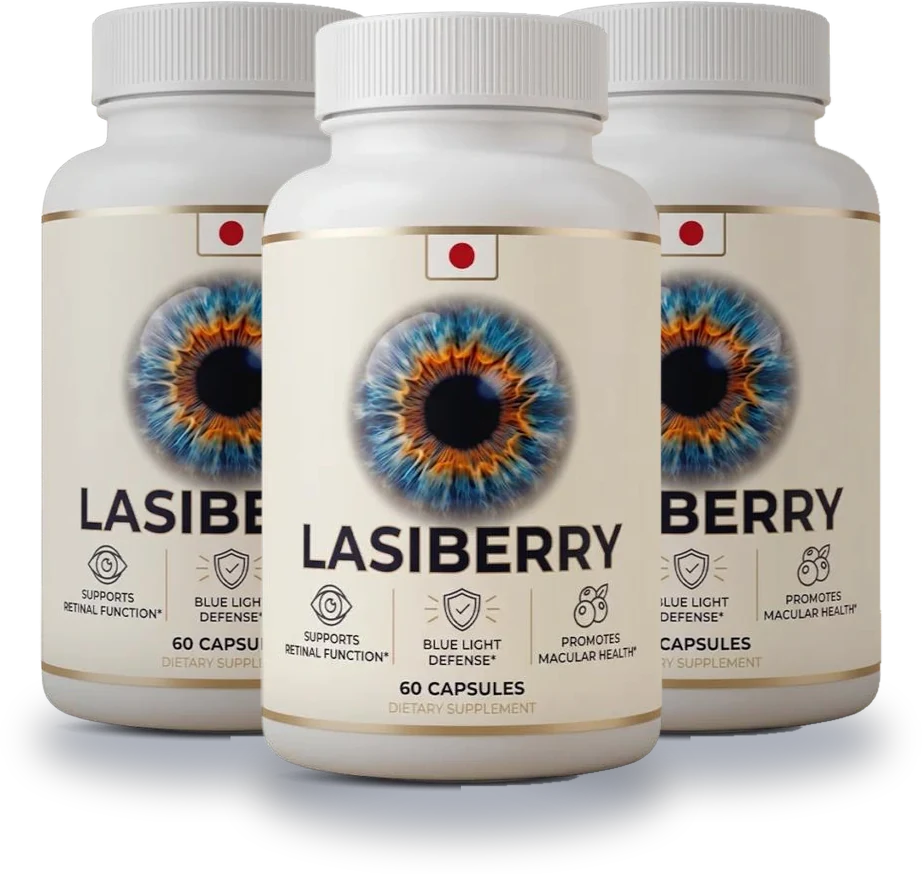
How to view them in Lasiberry: as traditional supporting ingredients alongside the better-studied carotenoids and vitamin A, not as proven performers.

Further reading: Bilberry and night vision: the story versus the science.
Other focus areas

Look a little deeper

Sources for this focus area

Explore government health resources and published research related to the ingredients and topics discussed on this website.

National Center for Complementary and Integrative Health (NCCIH), NIH

Bilberry: Usefulness and Safety

US Government Health ResourceBilberry

NCCIH’s evidence summary. It states that bilberry has not been clearly shown to help any health condition, and covers what is known about safety and possible side effects.

View Official Research ↗

National Center for Complementary and Integrative Health (NCCIH), NIH

6 Things To Know About Dietary Supplements for Eye Conditions

US Government Health ResourceEye-health supplements (general)

A plain-language overview of what research does and does not support for AMD, glaucoma, cataracts and dry eye. It stresses comprehensive dilated eye exams and following your eye care professional’s treatment plan.

View Official Research ↗

These references are provided for educational purposes only. They do not represent an endorsement or approval of this product by any government agency. Research on individual ingredients does not necessarily establish the effectiveness of the finished product.