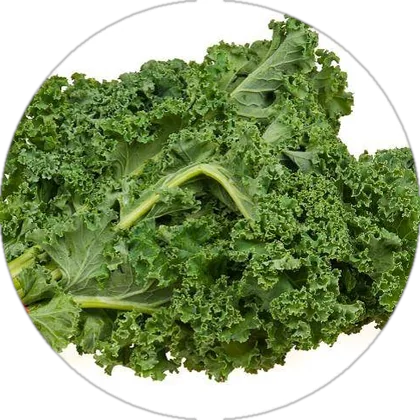
Lutein
A yellow carotenoid concentrated in the macula. Found in leafy greens such as kale and spinach. Studied as part of the AREDS2 formula for people with AMD.
Learn moreProduct overview
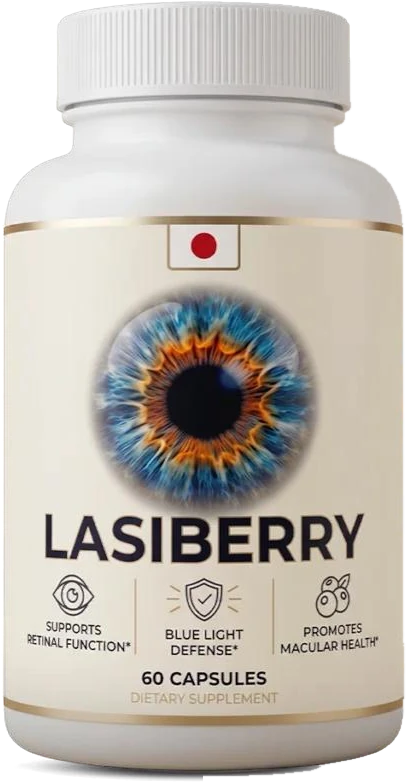
Lasiberry is a daily eye-health dietary supplement in capsule form. It brings together two carotenoids, two traditional botanicals and an essential vitamin in one simple routine.
The short version
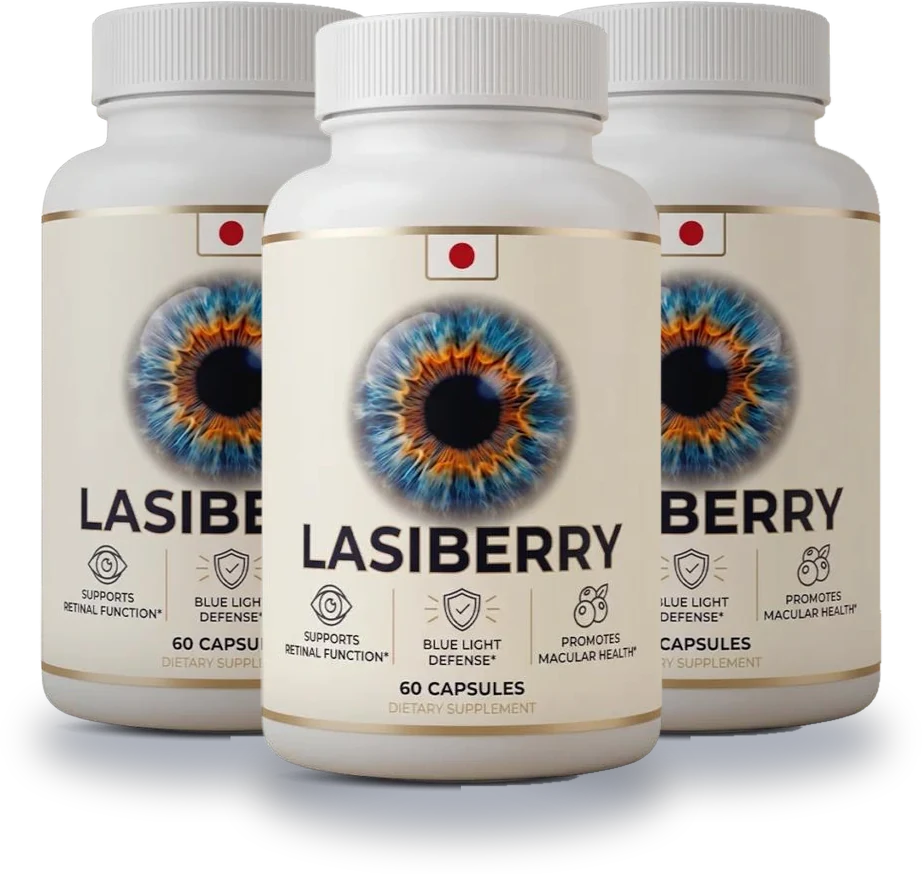
Lasiberry is sold as a dietary supplement, not a medicine. Each bottle contains 60 capsules, and the product FAQ lists a serving of two capsules daily with water, so one bottle lasts about a month.
The formula is built around nutrients that appear again and again in eye-health research, mainly lutein, zeaxanthin and vitamin A, plus two botanicals with a long traditional history, bilberry and eyebright. Its purpose is to add to the nutrition you get from food as part of a daily routine.
It is designed for adults who spend long hours on screens, who want to be more deliberate about eye nutrition as they get older, or who simply eat fewer leafy greens than they would like.
See what it brings to your routine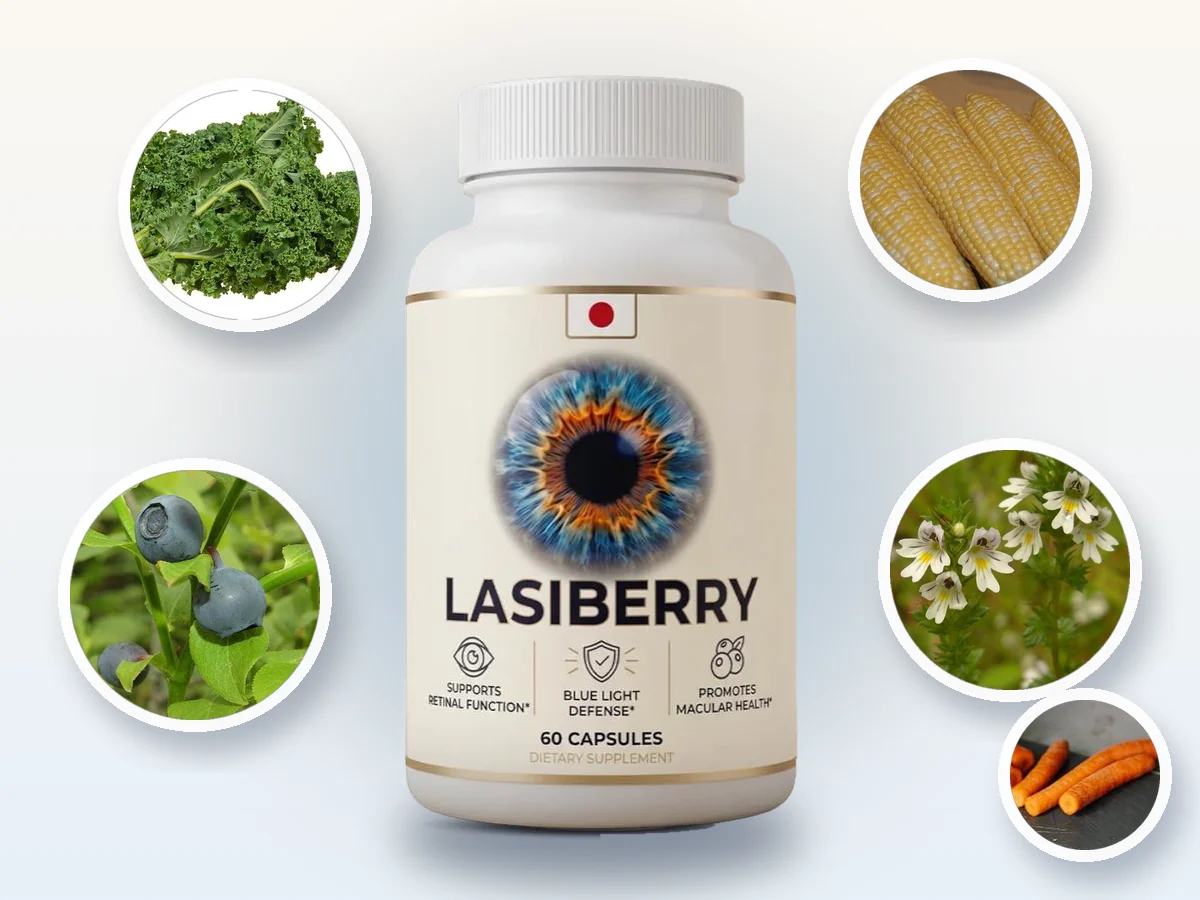
Inside the formula
These are the ingredients named on the product page. Amounts per serving are not published online; check the Supplement Facts panel on your bottle for exact quantities and the full ingredient list, including capsule materials.
A yellow carotenoid concentrated in the macula. Found in leafy greens such as kale and spinach. Studied as part of the AREDS2 formula for people with AMD.
Learn more
Lutein’s partner pigment in the central retina, found in corn, orange peppers and egg yolks. Usually researched alongside lutein.
Learn more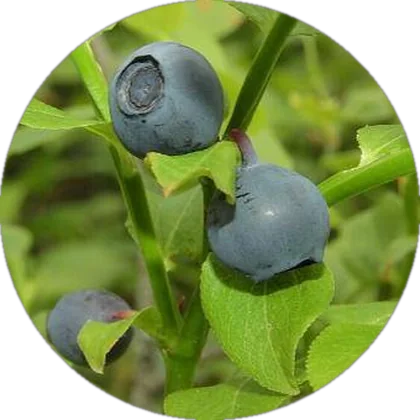
A European relative of the blueberry, rich in anthocyanin pigments. Traditional ingredient; NCCIH says it has not been clearly shown to help any health condition.
Learn more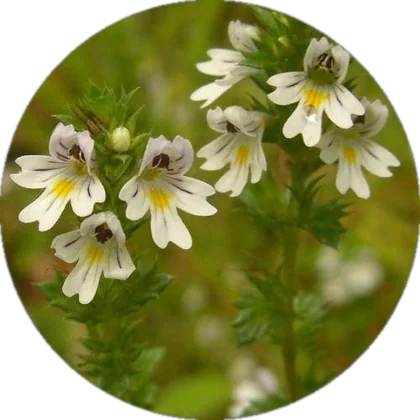
A small meadow herb (Euphrasia) with a long history in European folk tradition for the eyes. Modern evidence is limited.
Learn more
An essential nutrient required for normal vision, especially in low light. The exact amount and form are not shown on the product page.
Learn moreFood photos show natural sources of each nutrient for context. They are not the raw materials used in the product.
Specifications
| Name | LASIBERRY |
|---|---|
| Category | Dietary supplement for eye-health nutrition |
| Format | Capsules |
| Count | 60 capsules per bottle (shown on label) |
| Serving | 2 capsules daily with water (product FAQ) |
| Supply | 30 days per bottle |
| Packages | 2, 3 or 6 bottles |
| Label artwork | Ivory label with an iris illustration, gold rules and three icon statements |
| Supplement Facts | Not published on the product page; see the bottle |
Reading the label
The front label shows three short statements: “Supports retinal function*”, “Blue light defense*” and “Promotes macular health*”. These are the manufacturer’s words. The asterisk links to the standard notice that the statements have not been evaluated by the FDA.
We report them so you know what is on the bottle, but we don’t repeat them as our own claims. No clinical trial of this specific product was identified. What the research says about the individual ingredients is summarized in the Focus Areas guides.
Look a little deeper
Explore government health resources and published research related to the ingredients and topics discussed on this website.
National Eye Institute (NEI), NIH
NEI’s summary of two large clinical trials. The AREDS2 formula replaced beta-carotene with 10 mg lutein and 2 mg zeaxanthin. NEI reports the formulas slowed progression from intermediate to advanced AMD by about 25%, did not prevent AMD onset and had no effect on cataract. These trials did not test Lasiberry.
View Official Research ↗National Eye Institute (NEI), NIH
Explains what lutein, zeaxanthin and beta-carotene are, notes that people with low dietary intake of lutein and zeaxanthin appeared to benefit most in AREDS2, and advises asking an eye care professional which supplement, if any, is right for you.
View Official Research ↗National Institutes of Health (NIH)
NIH news release on 10-year AREDS2 follow-up data (2022). It reports that the lutein/zeaxanthin formula was safer than the beta-carotene version for people who had smoked. Findings apply to people with AMD taking the studied formula.
View Official Research ↗Office of Dietary Supplements (ODS), NIH
Describes vitamin A as important for normal vision, lists food sources such as carrots, spinach and sweet potatoes, and sets upper intake limits for preformed vitamin A. It warns against high-dose preformed vitamin A during pregnancy.
View Official Research ↗Office of Dietary Supplements (ODS), NIH
A detailed technical review. It explains that lutein and zeaxanthin are carotenoids that the body does not convert into vitamin A, and covers vitamin A forms, intake recommendations, safety and interactions.
View Official Research ↗National Center for Complementary and Integrative Health (NCCIH), NIH
NCCIH’s evidence summary. It states that bilberry has not been clearly shown to help any health condition, and covers what is known about safety and possible side effects.
View Official Research ↗These references are provided for educational purposes only. They do not represent an endorsement or approval of this product by any government agency. Research on individual ingredients does not necessarily establish the effectiveness of the finished product.
Choose 2, 3 or 6 bottles. Larger packages lower the price per bottle and the product page lists free U.S. shipping for them.
Order buttons lead to the seller’s checkout through affiliate links. See our disclosure.