Why screens tire your eyes
Long stretches of close-up focus keep the small muscles inside your eyes working without a break. We also tend to blink less while concentrating on a screen, which can leave eyes feeling dry or gritty. Glare, poor lighting and an out-of-date glasses prescription add to the strain. The good news is that most of the fixes are free.
7 habits that help
- Use the 20-20-20 rule. Every 20 minutes, look at something about 20 feet away for 20 seconds. Eye-care professionals widely recommend this simple reset.
- Blink on purpose. When you look away, take a few slow, full blinks to re-coat the surface of your eyes.
- Set your screen at arm’s length, with the top of the display at or slightly below eye level.
- Fix the lighting. Reduce glare from windows and overhead lights, and match screen brightness to the room.
- Make text bigger. Zooming in is easier than leaning in.
- Get outside. Daylight breaks give your eyes a change of focus and are good for your overall health.
- Keep your prescription current. Glasses or contacts that no longer match your eyes are a common cause of strain.

Where supplements fit
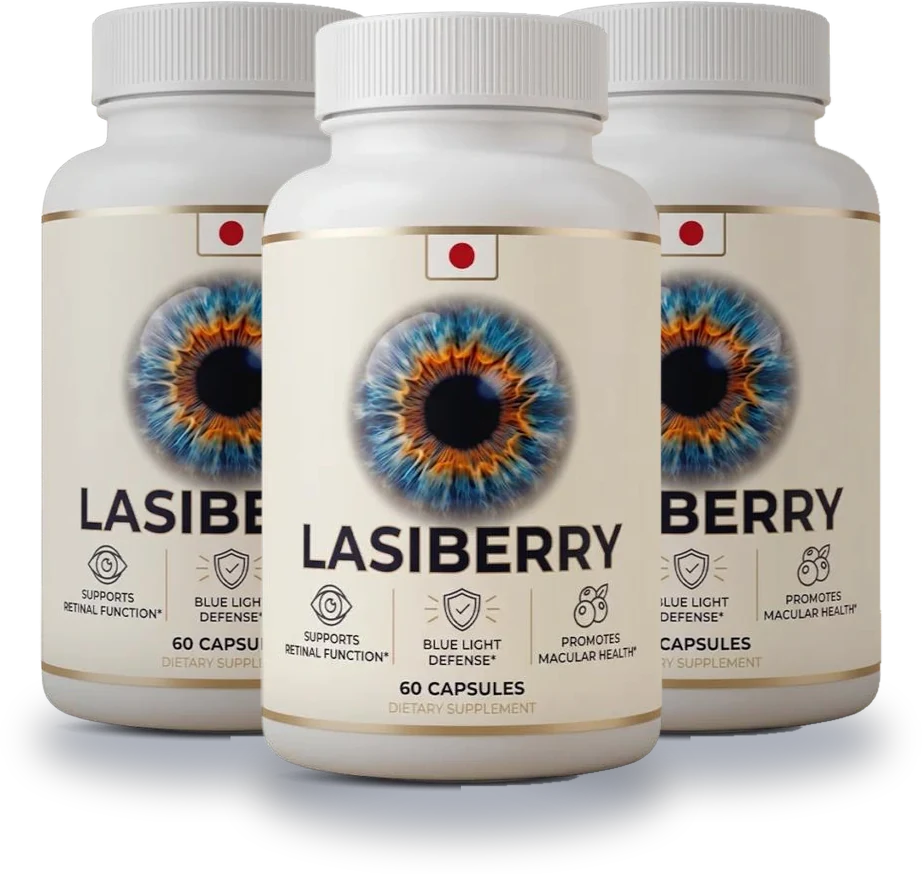
No capsule replaces these habits. Nutrients such as lutein, zeaxanthin and vitamin A matter for long-term eye health as part of a balanced diet, but eye strain from screen use is mostly about breaks, blinking, lighting and an accurate prescription. If you choose a supplement such as Lasiberry, treat it as one part of a routine that starts with these habits. See our screen-time habits focus area for more.
When to see an eye doctor
Book a comprehensive eye exam if you notice blurred or double vision, frequent headaches, eye pain, flashes of light, new floaters or any sudden change in vision. The CDC recommends comprehensive dilated eye exams because many eye diseases have no early warning signs.
Sources: CDC: Preventing Vision Loss; NCCIH: Dietary Supplements for Eye Conditions.
This article is for general education and is not medical advice. These statements have not been evaluated by the Food and Drug Administration. This product is not intended to diagnose, treat, cure, or prevent any disease.